Vending Machine Benefits for Hotels
The Value of an After-Hours Snack:
2/26/20263 min read
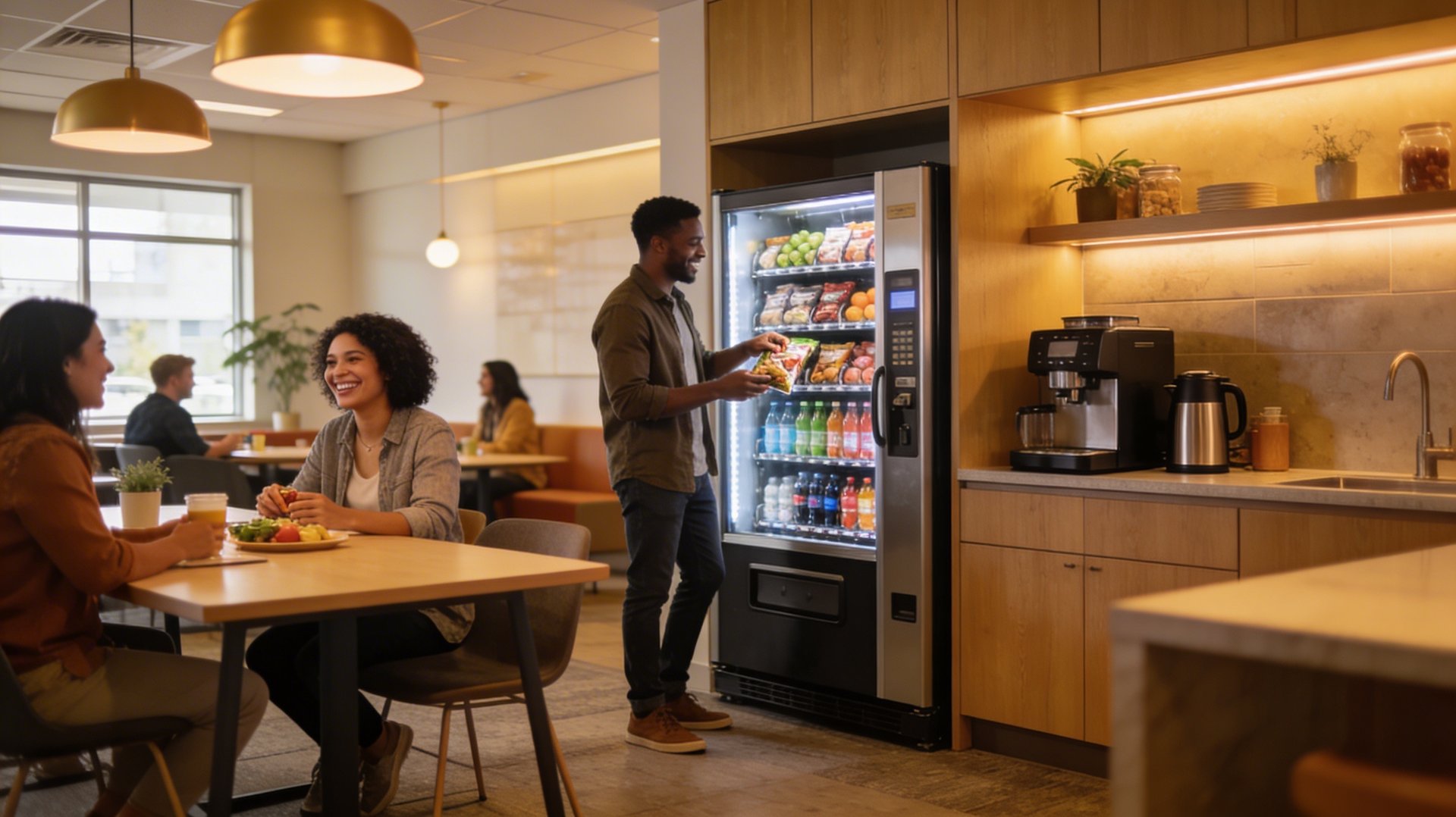
Hotels operate around the clock, serving guests with unpredictable schedules and late-night arrivals. After-hours snacks from vending machines provide essential convenience, filling the gap between restaurant closings and morning breakfast service. These machines deliver immediate access to familiar items like chips, candy bars, nuts, sodas, and water, proving invaluable for properties balancing guest satisfaction with operational efficiency.
Industry data underscores the demand. Vending machines generate $7.4 billion annually in the U.S., with hotels representing a key segment due to 24/7 accessibility [ from prior context]. Guest satisfaction surveys consistently rank convenience amenities high, with 68 percent of travelers prioritizing on-site food options during off-hours. Late check-ins, common in business travel hubs, spike between 10 PM and 2 AM, creating prime vending usage windows. Properties without these options risk negative reviews on platforms where 93 percent of guests mention food access.
Placement strategy maximizes value. Lobby vending near front desks handles check-in rushes, while hallway or elevator-adjacent units serve room-bound guests quietly. Fitness center machines capture post-workout needs, stocking protein bars and sports drinks. Poolside or parking garage locations support leisure travelers. Energy-efficient models consume minimal power, fitting tight utility budgets.
Revenue potential shines for hotel operators. Average machines yield $300 to $1,000 monthly per unit in high-traffic properties, with commissions shared if outsourced. Self-operated hotels control margins fully, adding high-markup items like gourmet chocolates or local crafts. Impulse buys account for 70 percent of sales, as tired guests opt for quick grabs over delivery waits.
Guest demographics drive preferences. Business travelers favor healthy nuts, yogurt, and energy drinks, comprising 42 percent of after-hours purchases. Families select kid-friendly treats, boosting family suite appeal. International visitors appreciate familiar global brands, reducing culture shock. Contactless payments, now standard, process 85 percent of transactions, speeding service for weary arrivals.
Operational benefits extend beyond sales. Vending eliminates staffing needs for midnight shifts, cutting labor costs by 20 to 30 percent compared to extended front-desk food service. Maintenance proves simple, with weekly restocking taking under an hour per machine. Theft-resistant designs and remote monitoring minimize losses to under 1 percent.
Sustainability trends align well. Eco-friendly machines use LED lighting and recyclable packaging, appealing to 55 percent of millennials who prioritize green hotels. Energy Star-rated units lower bills by 15 percent annually.
Case parallels from urban properties show impact. Airport hotels report 25 percent satisfaction lifts from vending additions. Resort chains integrate them into suites corridors, enhancing luxury perceptions without kitchen expansions. Budget motels use compact models to compete, equalizing amenities.
Peak demand patterns inform stocking. Weeknights see savory snacks dominate 60 percent of sales, weekends tilt sweet. Seasonal adjustments cover summer hydration surges and winter comfort foods. Data analytics from modern machines reveal trends, enabling precise inventory.
Integration with hotel tech enhances experience. App-linked vending allows room-charged purchases, streamlining billing. Loyalty programs offer discounts, driving repeat visits. Digital displays promote specials, increasing average transaction value by 18 percent.
Health-conscious shifts expand offerings. Low-sugar gummies, veggie crisps, and sparkling waters gain traction, meeting 40 percent growth in healthy snack categories. Gluten-free and vegan options cater to dietary needs, avoiding complaints.
Safety features reassure operators. Anti-vandal casings and alarm integrations protect investments. Fire-rated materials comply with codes. Cleanliness protocols involve daily sanitization, vital post-pandemic.
Comparative advantages over alternatives stand out. Room service incurs $10-15 delivery fees plus tips. Nearby convenience stores require 10-15 minute walks, risky after dark. Delivery apps add 30-45 minute waits and surge pricing. Vending delivers instant gratification at $2-5 per item.
Scalability suits all sizes. Boutique hotels deploy single units; chains outfit multiples across wings. Modular designs fit tight spaces, from 3-foot corridors to grand lobbies.
Long-term value compounds. Positive reviews mentioning “great late-night snacks” boost bookings 12 percent via algorithm favoritism. Staff efficiency rises without food handling duties. Revenue diversification stabilizes off-season dips.
For facility decision-makers, vending represents low-risk enhancement. Installation takes hours, ROI appears in months. Maintenance partnerships handle logistics, freeing focus for hospitality.
After-hours vending transforms hotels from overnight stops to welcoming havens. Guests arrive hungry or jet-lagged, finding comfort in reliable access. Operators gain steady income streams. In competitive markets, this amenity separates memorable stays from forgettable ones.