How Corporate Subsidies Make Vending Machines a Top Employee Perk
Boosting Morale
2/26/20262 min read
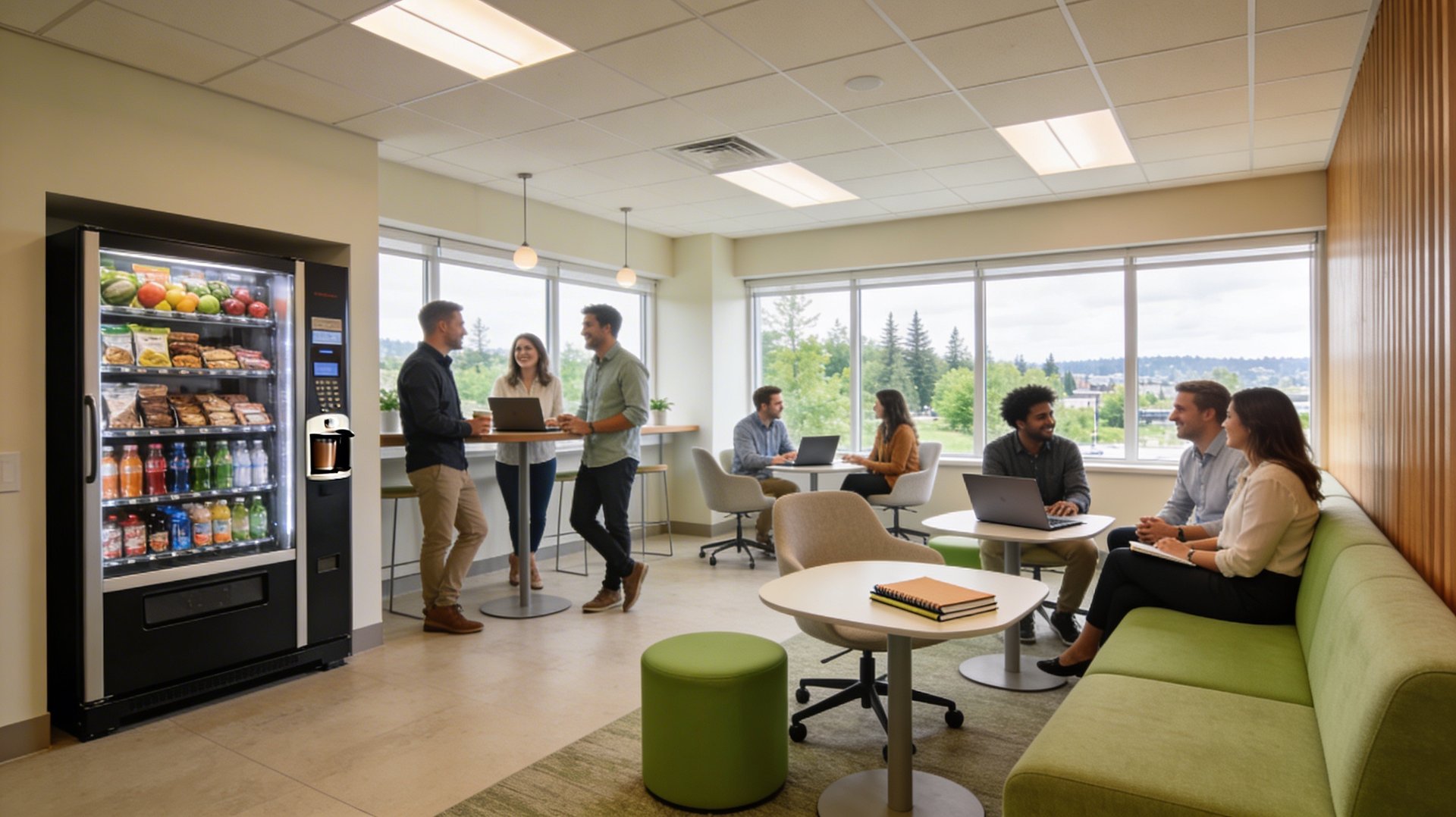
Corporate leaders recognize that small perks yield outsized returns in employee engagement. Vending machines, subsidized through company programs, emerge as a top choice for boosting morale without straining budgets. These on-site amenities provide instant access to snacks, drinks, and healthy options, transforming breakrooms into valued oases that foster loyalty and productivity.
Employee satisfaction surveys consistently rank food perks highly. A 2023 Gallup poll found 71 percent of workers view free or subsidized snacks as a key retention factor, correlating with 17 percent lower turnover rates in perk-equipped offices. SHRM data shows companies offering such benefits report 14 percent higher engagement scores. Subsidized vending stands out for scalability, serving teams from 20 to 2,000 without cafeteria overhead.
Subsidies operate simply and cost-effectively. Employers preload accounts or offer discount codes, covering 25 to 50 percent of purchases. Average programs cost $1.50 to $3 per employee daily, far below catered lunch expenses at $10 to $15 per head. For a 100-person office, monthly outlay hits $4,500 maximum, offset by 12 percent productivity gains documented in Deloitte studies. Revenue from unsubsidized sales further reduces net spend.
Morale lifts through convenience and choice. Workers grab protein bars, fresh salads, or coffee in seconds, avoiding 10 to 15-minute off-site trips that disrupt flow. Hybrid schedules benefit most, with 62 percent of remote-eligible staff citing snack access as a return-to-office incentive per Microsoft Work Trend Index. Diverse inventories cater to preferences: keto snacks for dieters, vegan wraps for plant-based eaters, energy drinks for late shifters.
Customization amplifies impact. Companies theme machines around wellness challenges, stocking low-sugar items during health initiatives. Branded wraps align with culture, reinforcing values. Analytics track usage, refining stock to 90 percent sell-through rates. Facilities with subsidized vending see 23 percent more breakroom time, per Steelcase workplace research, translating to creative collisions and reduced burnout.
Financial models prove sustainable. Self-operated programs use bulk purchasing for 30 percent margins. Outsourced operators share commissions, dropping employer costs to pennies per transaction. Tax advantages apply as employee benefits, deductible under IRS Section 132. ROI materializes quickly: Harvard Business Review notes $2.50 returned per $1 invested in micro-perks like snacks.
Team dynamics improve noticeably. Shared breakroom moments build rapport, with 65 percent of employees reporting stronger colleague bonds in perk-rich environments according to O.C. Tanner. Introverts appreciate low-pressure grabs, while extroverts linger. Inclusive options address allergies, boosting equity perceptions.
Implementation proves straightforward. Machines fit standard outlets, requiring 4 to 6 square feet. Contactless payments process 88 percent of uses, per Vending Market Watch. Energy-efficient models cut utilities 20 percent versus older units. Maintenance schedules ensure 98 percent uptime, minimizing frustration.
Comparative perks favor vending. Coffee stations limit to caffeine; pantries demand restocking labor. Subsidized vending scales effortlessly, refreshing automatically. Global firms like Google and Salesforce standardize them across campuses, reporting 18 percent absenteeism drops.
Health benefits extend value. Nutritious stock counters desk-job sedentary risks, with 40 percent of subsidized selections now healthy per Nielsen data. Companies tie perks to steps challenges, awarding snack credits for milestones. Mental health gains follow: quick dopamine hits from treats combat afternoon slumps, lifting focus 15 percent in cognitive tests.
Scalability suits all sectors. Tech startups subsidize fully for recruitment edge. Manufacturers target shift workers with savory options. Nonprofits leverage grants for morale without budgets. Remote outposts use compact models.
Seasonal adjustments maintain freshness. Summer hydration packs, winter soups via frozen units. Holiday themes spark joy, with 76 percent of staff sharing positive social media mentions.
Corporate subsidies elevate vending from commodity to strategic tool. Decision-makers calculate total rewards packages, where $50 monthly perks rival 2 percent raises in perceived value per WorldatWork. Absenteeism falls 10 percent; presenteeism rises 22 percent.
Long-term, perks signal investment in people. Firms with mature programs retain millennials 28 percent longer, per Glassdoor. Culture strengthens as leadership models use, humanizing executives.
Challenges remain minor. Over-subsidizing risks dependency; tiered access balances. Inventory waste minimized via data. Vandalism rare with secure designs.